
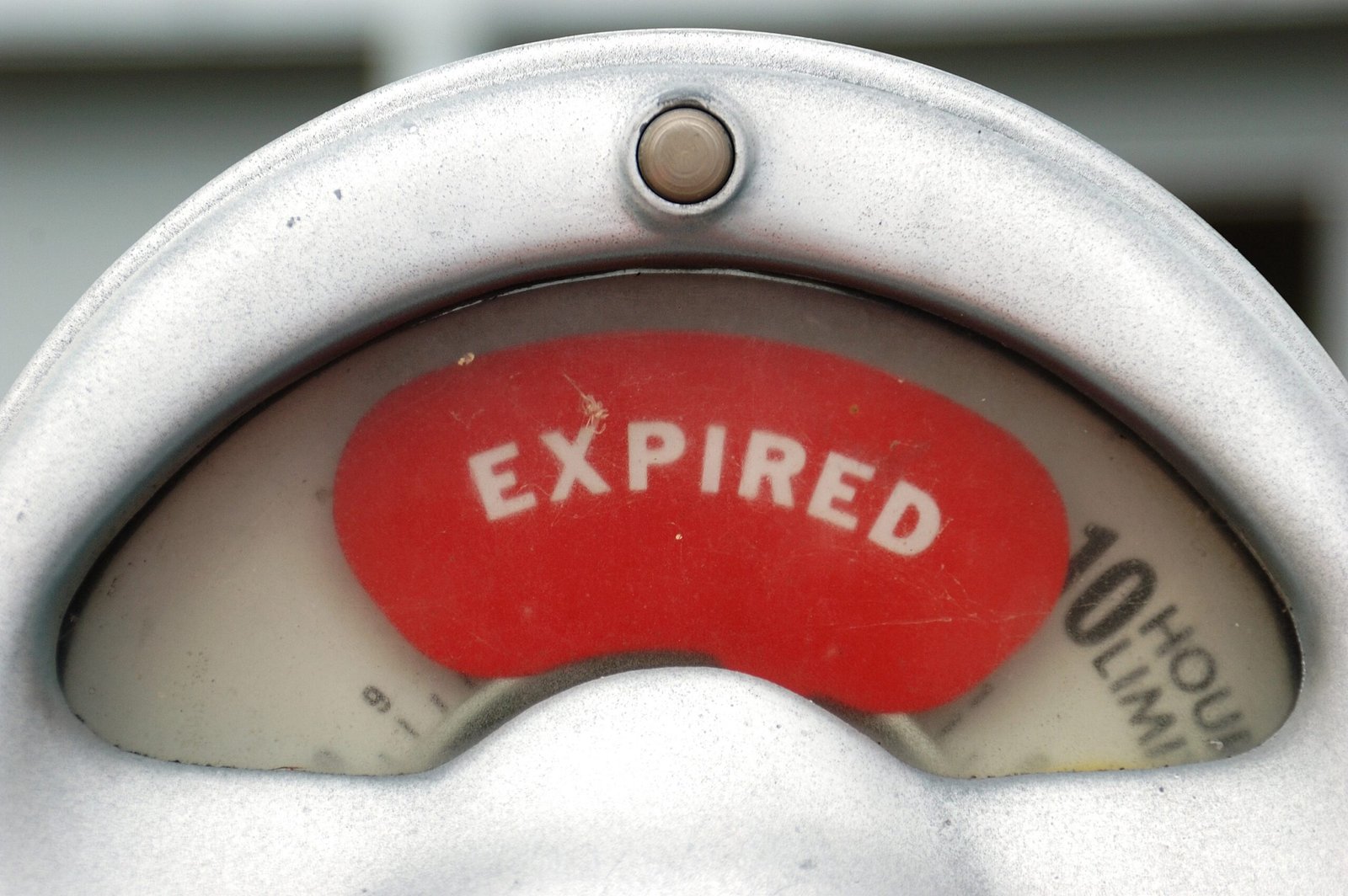
Over $500M in Credit Card Rewards, Points, and Miles Expire Every Year

The numbers are staggering. Recent studies show that between 23% and 31% of credit card holders have unredeemed rewards sitting in their accounts, with some surveys indicating that nearly 70% of cardholders report having unused rewards at any given time. While the Consumer Financial Protection Bureau (CFPB) issued warnings about credit card companies that devalue rewards or make redemption difficult, the bigger problem might be consumers themselves leaving money on the table.
Even when rewards programs operate fairly, millions of points and miles expire unused every year. Understanding why this happens and how to prevent it can save you hundreds or even thousands of dollars annually.
The Scale of the Problem
Credit card rewards have become a central part of how Americans choose their cards. According to recent data, 87% of credit cardholders have at least one rewards card. Yet despite this popularity, a significant portion of earned rewards never gets used.
The reasons vary, but common causes include:
- Points expiring due to inactivity
- Confusion about redemption options
- Waiting for “the perfect redemption” that never comes
- Simply forgetting about accumulated rewards
- Account closures that wipe out points
- Program changes that devalue existing points
Why Points or Miles Lose Value
One of the biggest mistakes consumers make is treating credit card points like a savings account. But you won’t earn interest on your points. It’s quite the opposite. Cash, points, and miles are subject to devaluation, program changes, and expiration policies that can eliminate their value entirely.
Airlines regularly devalue their frequent flyer programs, often requiring more airline miles for the same flights. Hotel programs follow similar patterns, periodically adjusting their award charts to require more points for free nights. Even flexible credit card points that transfer to partners aren’t immune to this trend, as the receiving programs can change their redemption value.
This reality means that holding onto points indefinitely is a losing strategy. The points you earn today will likely be worth less tomorrow, making it crucial to have a redemption plan rather than simply accumulating rewards.
Keeping Your Points Alive: Expiration Policies
Each credit card issuer and co-branded credit card has different rules for keeping points active. Understanding these policies can prevent your hard-earned rewards from going to waste. Here’s a breakdown of policies for credit card points, airline miles, and hotel points.
Do credit card points expire?
| Issuer | Program | Expiration policy |
|---|---|---|
| American Express | Membership Rewards | None if at least one MR earning card remains open. 30 days to redeem your points after closing. |
| Bank of America | Travel/Cash Rewards | None while account remains open. Up to 90 days to redeem your points after closing. |
| Barclays | Arrival Miles | None while account remains open |
| Capital One | Miles/Cash | None while account remains open |
| Chase | Ultimate Rewards | None while card remains open. Transfer to another UR earning card on your account to keep points alive. |
| Citi | ThankYou Points | Premium cards: No expiration; Basic cards: 24 months inactivity. Earn or redeem points to keep active. |
| Discover | Cashback/Miles | None while account remains open |
| US Bank | Altitude Rewards | None while account remains open |
| Wells Fargo | Go Far Rewards | None while account remains open |
Do airline miles expire?
| Airline | Program | Expiration policy |
|---|---|---|
| Air Canada | Aeroplan | 18 months of inactivity. Earn or redeem miles to keep active. |
| Air France/KLM | Flying Blue | 2 years of inactivity. Earn or redeem miles to keep active. |
| Alaska Airlines | Mileage Plan | 24 months of inactivity. Earn or redeem miles to keep active. |
| American Airlines | AAdvantage | 24 months of inactivity. Earn or redeem miles to keep active; credit card holders exempt. |
| British Airways | Executive Club | 36 months of inactivity. Earn or redeem miles to keep active. |
| Delta | SkyMiles | No expiration if account remains active. |
| Emirates | Skywards | 3 years from earning. Earn or redeem miles to keep active. |
| Frontier | Miles | 12 months of inactivity. Earn or redeem miles to keep active. |
| Lufthansa | Miles & More | 36 months of inactivity. Earn or redeem miles to keep active. |
| JetBlue | TrueBlue | No expiration if account remains active. |
| Southwest | Rapid Rewards | No expiration if account remains active. |
| United | MileagePlus | No expiration if account remains active. |
| Virgin Atlantic | Flying Club | No expiration if account remains active. |
Do hotel points expire?
| Hotel Chain | Program | Expiration policy |
|---|---|---|
| Best Western | Best Western Rewards | No expiration if account remains active. |
| Choice Hotels | Choice Privileges | 18 months of inactivity. Earn or redeem miles to keep active. |
| Hilton | Hilton Honors | 24 months of inactivity. Earn or redeem miles to keep active. |
| Hyatt | World of Hyatt | 24 months of inactivity. Earn or redeem points to keep active; credit card holders exempt |
| IHG | IHG One Rewards | 12 months for Club members; No expiration for Elite/credit card holders. Earn or redeem miles to keep active. |
| Marriott | Marriott Bonvoy | 24 months of inactivity. Earn or redeem miles to keep active. |
| Radisson | Radisson Rewards | 24 months of inactivity. Earn or redeem miles to keep active. |
| Wyndham | Wyndham Rewards | 18 months of inactivity OR 4 years from earning. Earn or redeem miles to keep active. |
The key takeaway across all programs is maintaining regular activity. Even small transactions or redemptions can reset expiration clocks and keep your hard-earned rewards from disappearing.
Smart Credit Card Reward Redemptions
The key to getting the most from your credit card rewards is understanding which redemptions offer the best value and acting on opportunities when they arise.
Transfer partners
Transfer partners offer the highest potential value for many credit card rewards programs, but require more knowledge and planning. Programs like Chase Ultimate Rewards and American Express Membership Rewards let you transfer points to airline and hotel partners, usually at a 1:1 ratio. The points can then be worth multiples with certain travel redemptions.
Travel portals
Travel redemptions through credit card portals often provide better value than cash back, typically offering 1.2 to 2.0 cents per point (that’s 20% to 100% more) compared to 1 cent for cash back. These portals let you book flights, hotels, and rental cars directly through the credit card company’s website using points instead of cash.
Pay yourself back
Pay Yourself Back programs allow credit card holders to use their points to offset purchases in specific categories, usually at a higher value per point (i.e. 1 point per 1.25 cents paid). Major credit card issuers like Chase and Capital One offer these programs, enabling customers to apply points towards recent purchases such as groceries or dining expenses.
Cash back
Cash back offers the most straightforward value. If your card earns cash back rather than travel rewards, redeem it regularly. There’s no advantage to letting cash back sit in your account.
Avoiding Common Redemption Mistakes
While there are lots of smart ways to redeem rewards, many cardholders make costly errors. Understanding these risks can help you avoid them.
Waiting for the “perfect” redemption
While it’s smart to seek good value, paralysis by analysis leads to expired points. If you’re earning points faster than you can use them, regular redemptions prevent loss from expiration or devaluation.
Shopping with points
Just because you can get a gadget with points doesn’t mean it’s a good deal if you don’t actually need it. Stick to redemptions that replace money you would have spent anyway.
Statement credits and gift cards
These typically offer poor value, often providing less than 1 cent per point. These should be last resort options when other redemptions aren’t practical.
Expiration dates on partner programs
Even if your credit card points don’t expire, transferred points often do. Airline miles can expire after 12-36 months of inactivity, and hotel points have similar policies as we outlined in the charts above.
Managing Your Reward Points
The most successful rewards users develop systems that prevent points from going to waste while maximizing value. This starts with earning the right types of rewards for your spending patterns and lifestyle.
Choose cards that align with your actual spending
If you don’t travel frequently, cash back cards might serve you better than travel rewards cards, even if travel cards offer higher potential value. Remember, it’s only worth the value it has to you.
Set up automatic redemptions where possible
Some programs allow you to automatically redeem cash back when you reach certain thresholds, preventing the accumulation of unused rewards.
Create a redemption calendar
Plan major redemptions, especially for travel. This helps you book award flights and hotel stays before the best availability disappears.
Track your points balance regularly
Set up alerts or calendar reminders to check your accounts quarterly at a minimum. This helps you keep track of your balances and identify accounts with upcoming expirations and potential redemptions.
Plan for reward program changes
Monitor reward programs for changes, which are usually announced 30-60 days in advance. When devaluations happen, evaluate if immediate redemption is needed or if planned redemptions are still valid. Staying informed through loyalty program newsletters and travel blogs is vital for adapting.
Understand tax implications
Most credit card rewards, including welcome bonuses tied to spending requirements, are not considered taxable income by the IRS, as they are viewed as rebates or discounts. However, bonuses received for merely opening an account or through referrals may be deemed taxable income since they do not involve spending money.
Bottom Line: Don’t Lose Your Credit Card Rewards
Credit card rewards are a currency and represent real money, but only if you use them. With hundreds of millions of dollars in rewards going to waste annually, developing a proactive redemption strategy is essential. The combination of program changes, expiration policies, and consumer inaction creates a perfect storm that destroys value.
The solution isn’t complicated: stay informed about your credit card rewards program, redeem regularly rather than hoarding points, and maintain active accounts to prevent expiration. While the CFPB may continue to monitor credit card companies for unfair practices, consumers must take responsibility for maximizing the value of rewards they’ve already earned, as they may expire.
Editor’s note: Opinions shared in this article are solely the author’s and do not represent the views of any bank, credit card issuer, hotel, airline, or other organization. The content has not been evaluated, approved, or endorsed by any of the mentioned entities. These are recommendations, not financial advice. I may receive a commission if you click through any of the links in this article.


Jason Lehigh
Jason is the founder of Live Rewarded, a blog dedicated to making points, miles, and cash back simple for everyone. Growing up with a frugal mindset and a knack for figuring things out on his own, Jason learned how to turn everyday expenses into travel, savings, and experiences worth remembering.
Through Live Rewarded, he shares clear, practical strategies to help you get more from the money you already spend.